
Inflation just put the spotlight on where mortgage rates are going next.

 Surprising inflation data suggests that's what's next for mortgage rates.
Two government reports this week showed inflation was not falling as many had expected.
In fact, inflationary pressures were stronger than expected. This has an immediate impact on mortgage rates: increases.
Interest rates will continue to rise until the Fed starts cutting them.
To make matters worse, although the Fed has said it expects to cut interest rates this year, those rate cuts may be delayed.
So when you buy a home, time is on your side.
If you're selling, the longer the Fed waits to cut interest rates, the more worried you may be.
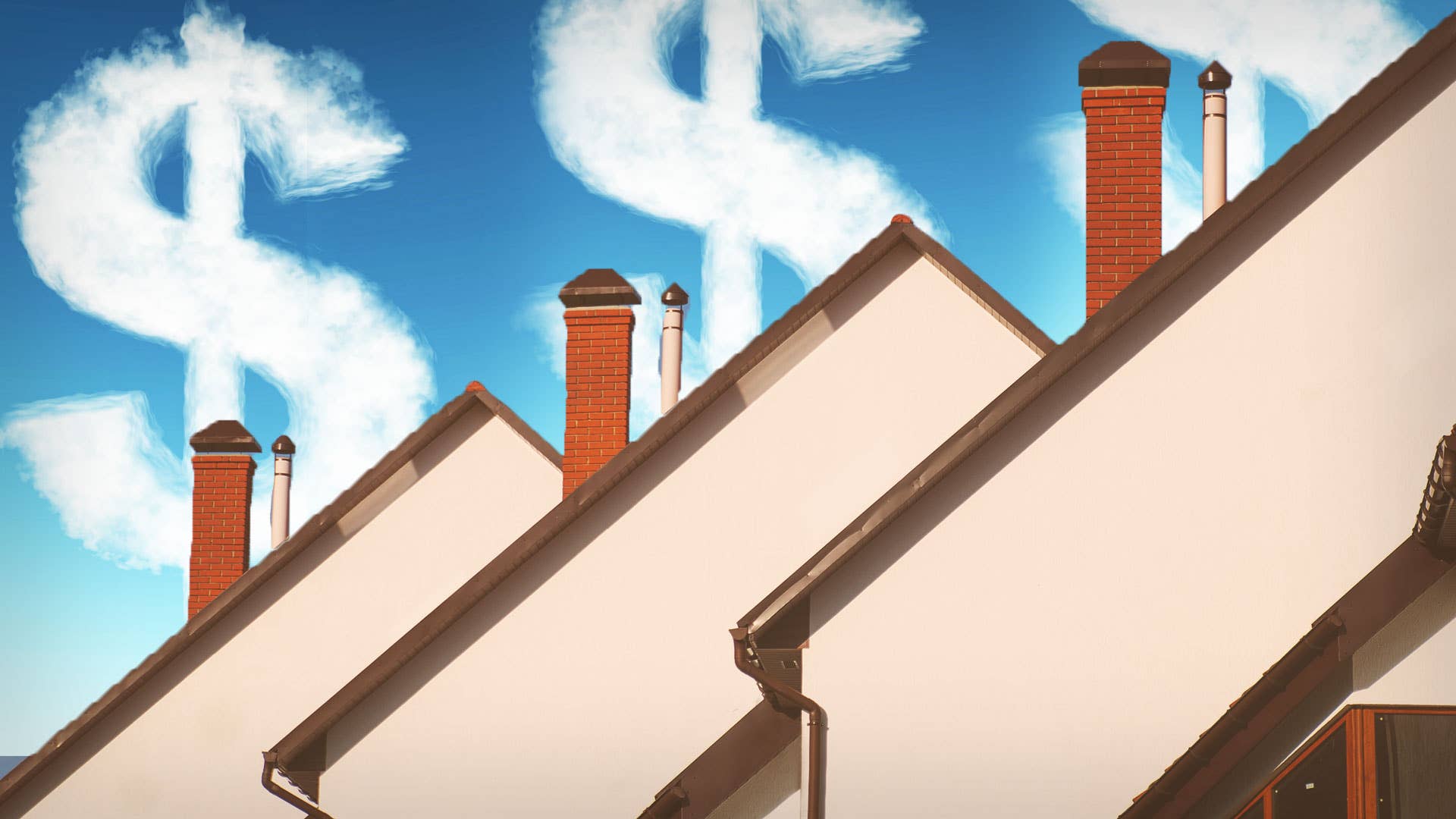
Image of three houses with clouds shaped like dollar signs.
High mortgage rates are hitting homebuyers hard.
Shutterstock/TS
How the mortgage market reacted
Rates fell rapidly after the Fed's November meeting, when Chairman Jerome Powell all but said a rate cut was a certainty.
The Fed's key interest rate, the federal funds rate, is at 5.25% to 5.5%, the biggest rate increase since Paul Volcker fought inflation in the 1980s.
Investors and potential homebuyers alike are delighted.
Federal Reserve Chairman Jerome Powell said any inflationary pressures from the massive infusion of capital into the U.S. economy would be temporary and the Fed did not expect to raise interest rates until 2023. Photo: AFP
Experienced analysts reveal bold rate forecasts
read more
Between October 26 and February 15, 2023, the S&P 500 rose nearly 23%. The 30-year mortgage rate was 7.8% in October; however, it fell to around 6.6% at the end of the year, with hopes that inflation will ease and interest rates will fall.
Rates fell rapidly after the Fed's November meeting, when Chairman Jerome Powell all but said a rate cut was a certainty.
The Fed's key interest rate, the federal funds rate, is at 5.25% to 5.5%, the biggest rate increase since Paul Volcker fought inflation in the 1980s.
Investors and potential homebuyers alike are delighted.
Federal Reserve Chairman Jerome Powell said any inflationary pressures from the massive infusion of capital into the U.S. economy would be temporary and the Fed did not expect to raise interest rates until 2023. Photo: AFP
Experienced analysts reveal bold rate forecasts
read more
Between October 26 and February 15, 2023, the S&P 500 rose nearly 23%. The 30-year mortgage rate was 7.8% in October; however, it fell to around 6.6% at the end of the year, with hopes that inflation will ease and interest rates will fall.
The housing market has largely ground to a halt in 2023, except for homebuilders who can afford to cut buyer payments to complete the sale (called a "buyout"). The housing market is in disarray for the first time since early 2022 when the Federal Reserve began stimulating interest rate hikes. Since suppressing inflation.
That raises hopes for a bustling spring shopping season that unofficially begins in mid-February.
But optimism was dashed by two inflation reports this week that spooked Wall Street and the bond market.
The U.S. Labor Department reported Tuesday that the consumer price index rose 0.3% in January, for an annual rate of 3.0%. Investors had expected growth of 0.2%. The unexpected event triggered a sharp sell-off in stocks that day and pushed bond yields higher.
The 10-year Treasury yield rose to 4.33%. That's bad because those yields are the determining factor in mortgage rates.
That raises hopes for a bustling spring shopping season that unofficially begins in mid-February.
But optimism was dashed by two inflation reports this week that spooked Wall Street and the bond market.
The U.S. Labor Department reported Tuesday that the consumer price index rose 0.3% in January, for an annual rate of 3.0%. Investors had expected growth of 0.2%. The unexpected event triggered a sharp sell-off in stocks that day and pushed bond yields higher.
The 10-year Treasury yield rose to 4.33%. That's bad because those yields are the determining factor in mortgage rates.
Basically, find the 10-year yield and add 2.5 to 3 percentage points to get a reasonable estimate of the cost of a 30-year mortgage.
The U.S. Labor Department shocked markets again on Friday, reporting that the Producer Price Index (PPI) - which measures prices paid to manufacturers - rose 0.3%. Wall Street expected 0.1%.
The 10-year bond yield rose again, this time to 4.28%, and the 30-year mortgage rate reached around 7.2%.
For homebuyers, rising mortgage rates mean monthly payments on a $400,000 mortgage could increase from $2,555 to $2,715 per month, an increase of 6.2 percent.
This is before property taxes and insurance.
Rate cuts will come... later
When will the Fed finally start cutting interest rates? To do this, we start with CME Group’s FedWatch tool. The tool is based on market assumptions about future interest rates, with the first rate cut likely to come in March.
The U.S. Labor Department shocked markets again on Friday, reporting that the Producer Price Index (PPI) - which measures prices paid to manufacturers - rose 0.3%. Wall Street expected 0.1%.
The 10-year bond yield rose again, this time to 4.28%, and the 30-year mortgage rate reached around 7.2%.
For homebuyers, rising mortgage rates mean monthly payments on a $400,000 mortgage could increase from $2,555 to $2,715 per month, an increase of 6.2 percent.
This is before property taxes and insurance.
Rate cuts will come... later
When will the Fed finally start cutting interest rates? To do this, we start with CME Group’s FedWatch tool. The tool is based on market assumptions about future interest rates, with the first rate cut likely to come in March.
more economics:
Fed members just paid homage to where rates will go next
Falling retail sales overshadows inflation data
Labor report shocks: 353,000 new hires beats expectations and fuels inflation fears
Many economists and traders were deeply skeptical that the Fed would react so quickly. Following the release of the inflation report, the tool now assumes the first rate cut will occur in June.
Maybe not. Atlanta Fed President Raphael Bostic expects the first rate cut to come in the summer. In an interview with CNBC, his body language suggested mid-to-late summer at best.
Revised assumptions suggest mortgage rates will remain higher for longer.
The inflation news has another impact.
Stocks fell for the third time in five days on Friday. The iShares U.S. Homebuilding ETF (ITB) fell 1.8%. Major construction companies including Pulte Group (PHM), D.R. Horton (DHI) and Lennar LEN fell nearly 3%.
Fed members just paid homage to where rates will go next
Falling retail sales overshadows inflation data
Labor report shocks: 353,000 new hires beats expectations and fuels inflation fears
Many economists and traders were deeply skeptical that the Fed would react so quickly. Following the release of the inflation report, the tool now assumes the first rate cut will occur in June.
Maybe not. Atlanta Fed President Raphael Bostic expects the first rate cut to come in the summer. In an interview with CNBC, his body language suggested mid-to-late summer at best.
Revised assumptions suggest mortgage rates will remain higher for longer.
The inflation news has another impact.
Stocks fell for the third time in five days on Friday. The iShares U.S. Homebuilding ETF (ITB) fell 1.8%. Major construction companies including Pulte Group (PHM), D.R. Horton (DHI) and Lennar LEN fell nearly 3%.
Why won't the Fed move faster?
Fed Chairman Powell and all the people in its rate-setting body really want to see inflation coming down to 2% on a sustained basis after inflation jumped nearly to 9% in 2022. For them, 3% doesn't count.
Former Treasury Secretary Larry Summer actually thinks persistent inflation means a rate hike might come before a rate cut. If so, mortgage rates may not be done rising.
But Mark Zandi, chief economist of Moody's Analytics, thinks the Fed should start cutting sooner. The economy just isn't that strong, he argued in a CNBC interview.